The Sharpest Weapon in the Room
Why you don't need to be the expert in the room
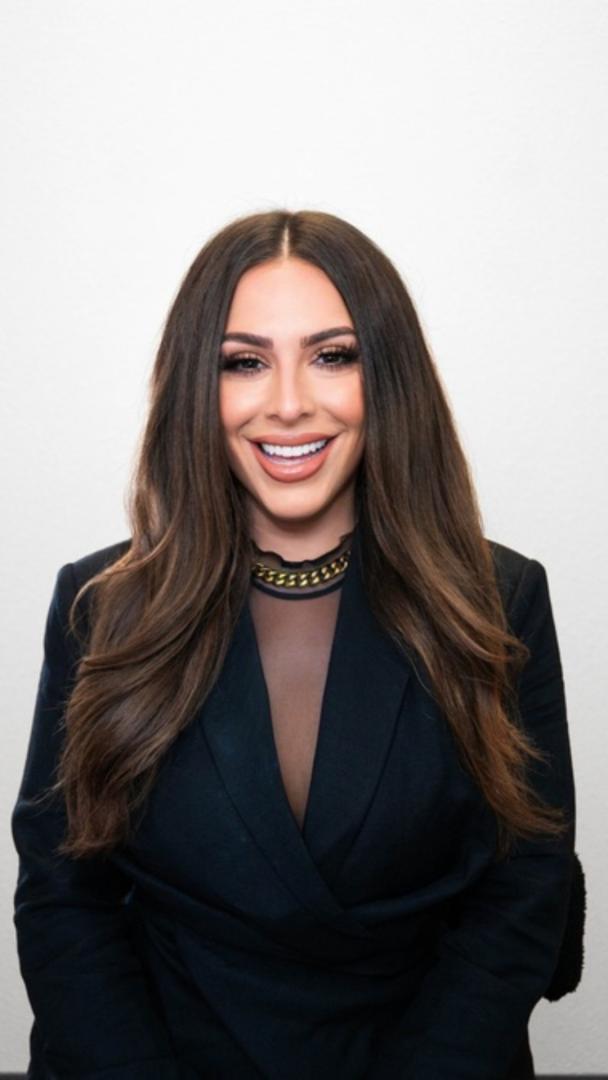
My career has never moved in a straight line. I went from beauty leadership to tech sales to curating global retail experiences across fifty-two countries — and then into acquiring a twenty-five-year-old aesthetics school. Three industries. Three pivots. Zero straight lines.
Every time I made a move, someone — sometimes me — wondered whether I knew enough about the new industry to belong there. The answer was always the same: not yet. And it never mattered.
You don't need to be the expert in the room. You need to know how to become one faster than anyone expects.
Here's what I've learned across every pivot: the skills that make you dangerous in a new industry are rarely the obvious ones. They're the ones you built somewhere else, doing something that looked completely unrelated — and that the new industry never saw coming.
Map What Transfers. Name What Doesn't
When I moved from beauty into tech sales, I had never cold-called anyone. Never run an email drip campaign. Knew nothing about the platforms I'd be selling.
What I did know: I had memorized the features and benefits of over a hundred beauty SKUs. I had spent years uncovering what customers actually needed versus what they said they wanted. I knew how to ask the right questions.
Tech sales required the exact same skills — just different questions, different products. So instead of staring at the mountain of what I didn't know, I made two lists. Everything that transferred. And the specific gaps — not "I don't know tech" (too broad to act on), but the precise things I actually needed to learn: cold outreach, email sequencing, demo structure.
Then I ignored everything else and focused entirely on closing the gaps.
This is the move most people miss. They look at how much they don't know and freeze. But expertise in a new industry rarely means knowing everything — it means knowing which of your existing skills apply, and being ruthlessly honest about the few things you genuinely need to learn.
Your Detours Are Your Differentiators
Every industry you move through leaves you with knowledge the next one doesn't expect you to have. In legacy industries especially, that unexpected knowledge is a serious competitive edge.
In tech, I didn't just learn to sell software. I learned how to buy it — and that distinction matters enormously.
I learned that when a salesperson tells you a feature is "on the roadmap," that's not a commitment — it's a polite way of saying it's in the suggestion box with no timeline. I learned that the opening offer of five or ten percent is a formality. That a deal doesn't go to deal desk for approval until you're above forty-three percent, meaning there's real room to negotiate before anyone senior gets involved. I learned to time purchases at end of month — better yet, end of quarter — when reps are motivated to close. And I learned that companies often telegraph exactly when that pressure is highest through their own email blasts. Use that. I also learned that the platform is only half the purchase — the integration partner who sets it up is equally important. If you're not willing to invest in the right partner to implement it properly, don't bother buying the platform at all.
None of that knowledge exists in the beauty education world. When I walked into my first industry conference, most owners were either intimidated by technology or being oversold platforms they couldn't evaluate. I wasn't intimidated. I was shopping.
The skills from your last pivot are often the sharpest weapons in your next one.
Think about every industry you've moved through. What did each one teach you that the next one didn't expect? That answer is usually where your most valuable competitive advantage lives.
Walk In Curious. Not Certain.
The people who fail at pivots usually walk in assuming their previous success means they already have the answers. They lead with certainty instead of curiosity. They protect their ego instead of closing their gaps.
Walk in curious. Map what you know. Name what you don’t. And trust that the skills you’ve spent years building — even the ones from the industry you’re leaving — are exactly what the new one needs.
The practical version of this looks like: before you take your next meeting in the new space, write down the three hardest problems that industry is facing. Then ask yourself which of your previous roles gave you a lens on that problem that an insider wouldn’t have. That’s your entry point. That’s your angle. Lead with it.
The industries most resistant to change aren’t your competition. They’re your runway.
More about Chiara

I’m Chiara — a builder at heart and a beauty industry lifer. I’ve spent over a decade in makeup and aesthetics, and in 2025 I acquired a 25-year legacy school in Arizona that I now lead into its next chapter. What I do is about far more than education or services — it’s about helping women rewrite their futures with confidence, skill, and real opportunity.
I also have a very clear mission: to shake up an education industry that, quite frankly, has been run by men for far too long — in aesthetics of all places. I call it “The Takeover.” And I’m only getting started. My long-term goal is to build a nationally recognized brand that changes the way beauty education is done and who gets to lead it.
I believe in high standards, meaningful work, and building things that last. I’m deeply invested in the people I lead, the students I serve, and the life I’m intentionally creating alongside my business. I’m here because I’m drawn to women who are building boldly, evolving honestly, and choosing growth — in their work and in themselves.
I look forward to building genuine connections with women who are shaping lives they love.